
Sports Training Techniques to Improve Strength, Speed, and Overall Athletic Performance
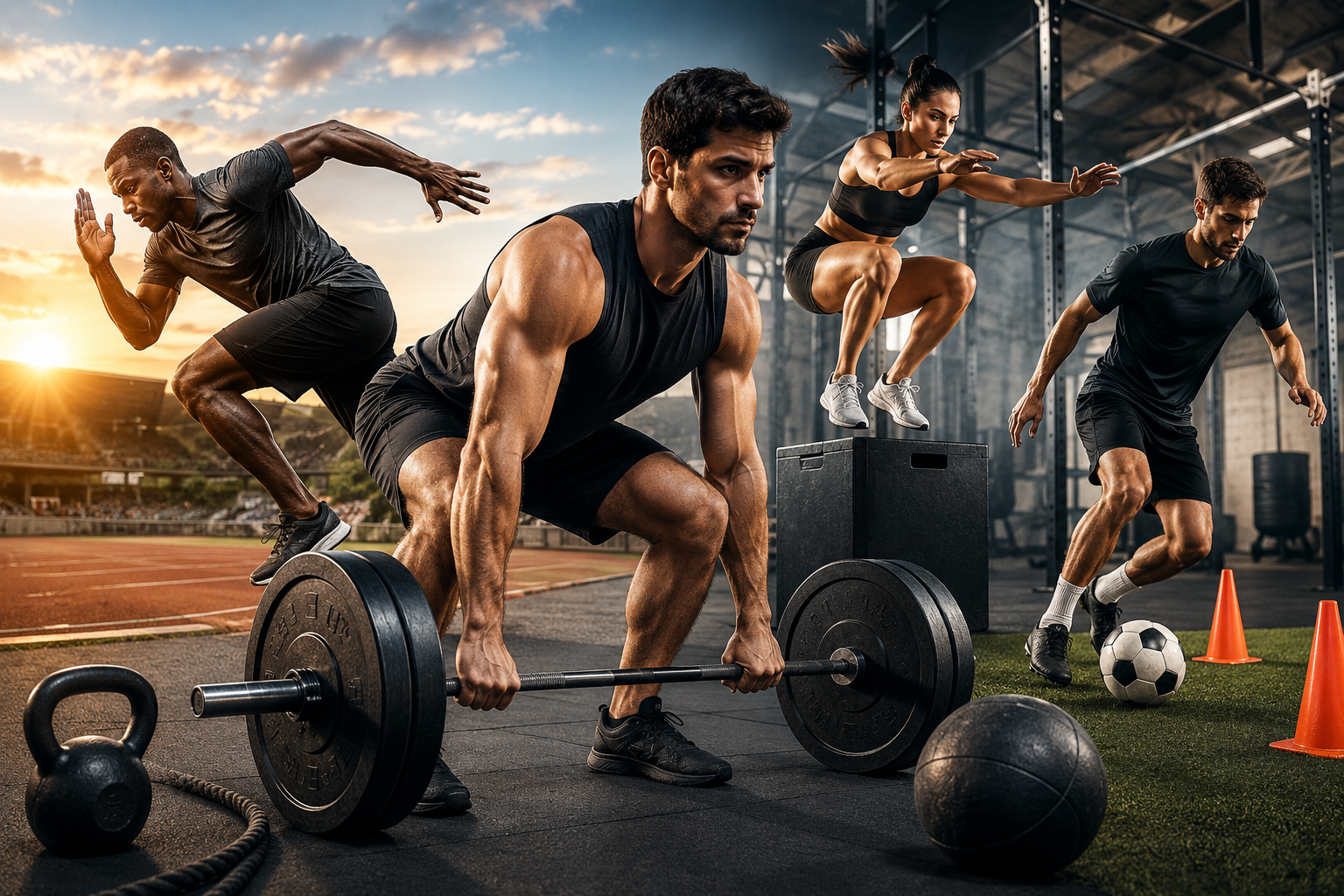
Sports Training is one of the most important parts of athletic success. It helps athletes build strength, improve speed, increase stamina, and perform better in competition. Whether you play football, cricket, basketball, tennis, or athletics, proper training can improve both physical and mental performance. Good training is not only about working hard—it is also about training smart.
What Is Sports Training?
Sports Training is a structured process that improves an athlete’s body and skills for better performance. It includes physical exercises, movement drills, recovery, and mental preparation.
The main purpose is to make the body stronger, faster, and more efficient. Athletes use training plans to improve their sport-specific abilities and reduce injury risk.
Strength Training for Better Power
Strength is the ability to produce force. Strong muscles help athletes run faster, jump higher, and stay stable during movement. This is why strength training is important in almost every sport.
Common strength exercises include squats, deadlifts, lunges, push-ups, and pull-ups. These movements train large muscle groups and improve total body power.
Strength training also improves bone health and body control. A stronger athlete can handle physical pressure better during games or competitions.
Speed Training to Move Faster
Speed is very important in competitive sports. In games like football or basketball, fast movement can create a huge advantage.
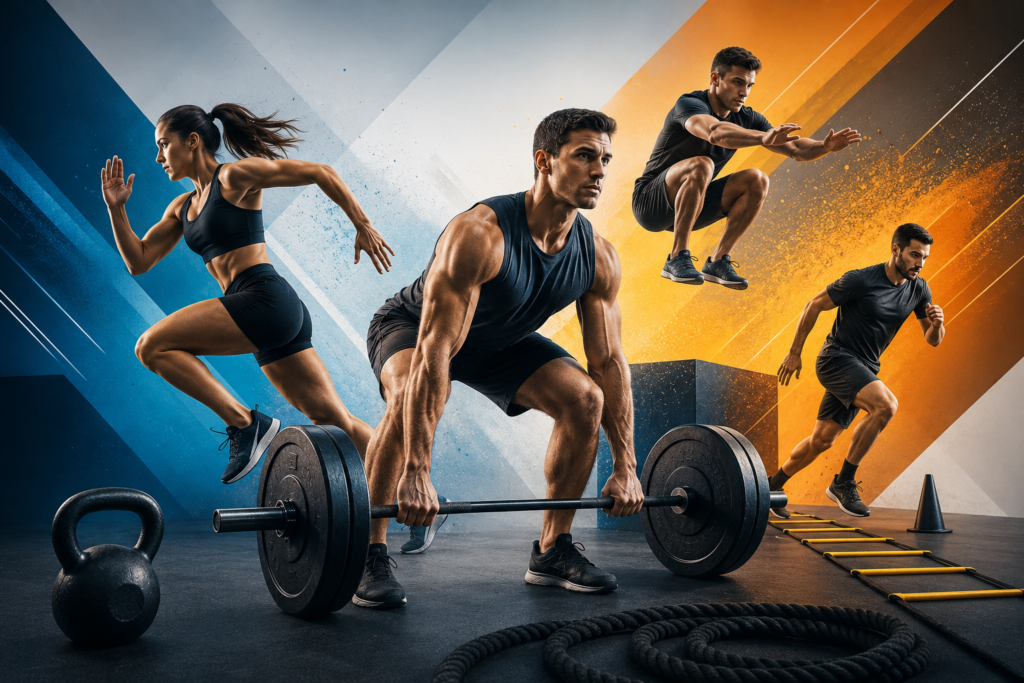
Sports Training for speed focuses on improving acceleration, reaction time, and movement efficiency. Sprint drills are one of the best ways to build speed.
Useful speed drills include:
- Short sprints
- Hill runs
- Ladder drills
- High knees
These exercises train the nervous system and muscles to react quickly.
Agility and Coordination Training
Agility means changing direction quickly while staying balanced. Coordination means moving body parts together smoothly.
Athletes in tennis, boxing, rugby, and soccer need high agility. Quick direction changes help them react better during competition.
Cone drills, shuttle runs, and zig-zag sprints improve footwork and movement control. Better agility also reduces the chance of falling or losing balance.
Endurance Training for Stamina
Endurance helps athletes perform longer without getting tired. This is important in long matches or high-intensity games.
There are two major types of endurance:
- Aerobic endurance for long-duration exercise
- Anaerobic endurance for short, intense effort
Running, cycling, swimming, and interval training improve stamina. Good endurance allows athletes to recover faster between hard efforts.
Sports Training programs usually include endurance work because stamina directly affects performance.
Plyometric Training for Explosive Power
Plyometric training helps athletes produce explosive movement. It combines speed and strength to create power.
Examples include:
- Box jumps
- Jump squats
- Bounding
- Clap push-ups
These exercises improve muscle reaction speed. Sports like volleyball, basketball, and sprinting benefit greatly from plyometric training.
Athletes who train explosiveness often jump higher and move faster.
Recovery Is Part of Training
Many people focus only on exercise and forget recovery. This is a mistake. Recovery is a key part of Sports Training.
Without recovery, the body becomes tired and weak. Performance drops, and injury risk increases.
Important recovery methods include:
- Sleep (7–9 hours)
- Rest days
- Stretching
- Light walking
- Foam rolling
Sleep is especially important because muscles repair during rest.
Nutrition and Hydration for Performance
Training results depend heavily on nutrition. The body needs proper fuel to perform at a high level.
Athletes need three major nutrients:
- Protein for muscle repair
- Carbohydrates for energy
- Healthy fats for hormone support
Good protein sources include eggs, chicken, fish, and beans. Carbs like rice, oats, fruits, and potatoes provide training energy.
Hydration is equally important. Even small dehydration can reduce speed and focus.
Drink water before, during, and after training sessions.
Mental Training for Athletes
Performance is not only physical. Mental strength plays a huge role in sports success.
Top athletes train their minds to stay calm under pressure. Mental training improves:
- Focus
- Confidence
- Discipline
- Stress control
Useful mental techniques include visualization, breathing exercises, and goal setting.
Sports Training becomes more effective when mental preparation is included.
Common Training Mistakes
Many athletes slow their progress because of poor habits. Small mistakes can lead to big problems.
Common mistakes include:
- Skipping warm-up
- Poor sleep
- Bad nutrition
- Overtraining
- Poor exercise form
Warm-up is important because it prepares muscles and joints for movement. It reduces injury risk and improves performance.
Always train with proper technique.
How to Build a Weekly Training Plan
A balanced schedule helps athletes improve safely. A simple weekly structure can include different training types.
Example plan:
Monday: Strength training
Tuesday: Speed drills
Wednesday: Recovery
Thursday: Plyometrics
Friday: Sport-specific drills
Saturday: Endurance training
Sunday: Full rest
This balance allows growth without overtraining.
In Short
Sports Training is a complete system for improving athletic performance. It combines strength work, speed drills, endurance exercises, recovery, nutrition, and mental preparation.
Athletes who follow structured Sports Training improve faster and perform better. Whether you are a beginner or a professional athlete, smart training can help you become stronger, faster, and more competitive.
FAQs
What is sports training?
Sports training is a planned exercise system that improves athletic performance, strength, speed, and stamina.
Why is sports training important?
It helps athletes perform better, avoid injuries, and improve physical fitness.
How often should athletes train?
Most athletes train 4–6 days per week, depending on goals and recovery.
Does sports training improve speed?
Yes, sprint drills, agility work, and plyometric exercises can improve speed.
Can beginners start sports training?
Yes, beginners can start with simple exercises and increase intensity slowly.