Polygraph Test Accuracy: Can a Lie Detector Really Detect Lies?
The polygraph test has long been surrounded by mystery, controversy, and popular fascination. Often called a lie detector test, it is commonly portrayed as a machine capable of revealing whether someone is telling the truth. From criminal investigations to government security screenings, polygraph examinations are used in situations where trust and truth matter greatly. But despite its widespread use, one question remains highly debated: Can a polygraph test truly detect lies?
The answer is more complicated than many people assume. A polygraph does not directly read thoughts or identify lies in the way people imagine. Instead, it measures physiological reactions that may be associated with deception, such as increased heart rate or sweating. While some studies suggest polygraph tests can achieve relatively high accuracy under controlled conditions, critics argue that many variables can affect results, making them far from foolproof. Understanding how a polygraph works is essential to evaluating whether it is a reliable tool or simply an imperfect aid.
What Is a Polygraph Test?
A polygraph test is an examination designed to record multiple physiological responses while a person answers a series of questions. The term “polygraph” literally means “many writings,” referring to the machine’s ability to simultaneously record several body signals. The goal is to detect changes in the body that may indicate stress, anxiety, or emotional arousal during questioning.
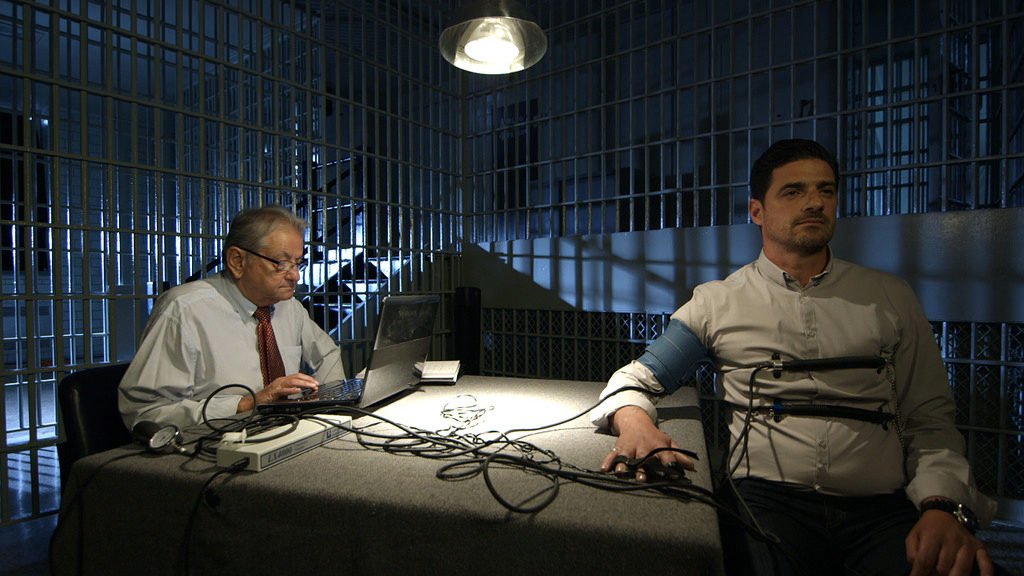
Polygraph testing has existed for more than a century, evolving from early psychological experiments into modern computerized systems. Today’s polygraphs commonly monitor breathing patterns, blood pressure, pulse rate, and skin conductivity. These measurements are recorded while the subject answers both neutral and relevant questions. Examiners then analyze the data to determine whether certain answers triggered unusually strong physiological reactions.
Polygraph tests are commonly used in law enforcement investigations, pre-employment screening for sensitive government roles, private investigations, and sometimes in legal disputes. Despite these applications, their scientific reliability continues to be debated.
How Does a Polygraph Test Work?
A polygraph test works by tracking physiological responses while a person answers questions. Before the examination begins, the examiner typically conducts a pre-test interview to establish rapport and explain the process. This stage also allows the examiner to formulate specific questions.
During the actual test, sensors are attached to the examinee’s body. These sensors measure several bodily functions, including respiration, cardiovascular activity, and electrodermal activity, which relates to sweating. The examinee is then asked a series of carefully structured questions.
The questioning usually includes three categories. Irrelevant questions are simple and non-threatening, such as asking a person’s name. Control questions are broader and designed to provoke mild stress. Relevant questions directly address the matter under investigation. Examiners compare physiological reactions between control and relevant questions to identify patterns that may suggest deception.
The core assumption behind the test is that lying creates psychological stress, and that stress produces measurable physical changes. However, this assumption is also where much of the controversy begins.
Does a Polygraph Detect Lies Directly?
One of the biggest misconceptions about the polygraph test is that it directly detects lies. In reality, the machine does not identify deception itself. It only records physical responses.
This distinction is crucial. A strong physiological reaction does not automatically mean someone is lying. People may experience stress for many reasons unrelated to deception. Fear, embarrassment, anxiety, confusion, or trauma can all trigger similar bodily responses. An innocent person accused of a serious crime may feel intense stress simply because of the situation.
Likewise, a deceptive person who remains calm may produce minimal reactions. Some individuals naturally handle stress better than others, making it harder for the polygraph to distinguish truth from deception. Because the machine measures arousal rather than dishonesty, interpretation becomes heavily dependent on examiner judgment.
How Accurate Is a Polygraph Test?
The accuracy of a polygraph test remains one of the most disputed topics in forensic science. Supporters often cite accuracy rates ranging from 85% to 95%, especially in controlled or single-issue examinations. Some research suggests properly administered tests may correctly identify deception around 89% of the time.
However, critics argue that real-world accuracy may be lower because human behavior is complex. Laboratory studies often produce higher accuracy because conditions are controlled and distractions are minimized. Field conditions, on the other hand, involve emotional stress, unclear facts, and diverse psychological states that can reduce reliability.
The challenge lies in defining accuracy itself. A test may correctly identify many deceptive subjects while still wrongly flagging truthful individuals. This means a high overall accuracy percentage does not eliminate the risk of serious mistakes.
Factors That Affect Polygraph Accuracy
Several factors influence the reliability of a polygraph test. One major factor is the emotional state of the examinee. Nervous individuals may react strongly even when telling the truth, while calm or emotionally detached individuals may remain steady while lying.
Medical conditions can also affect results. Heart disorders, anxiety disorders, or neurological conditions may alter physiological responses. Certain medications can suppress or exaggerate bodily reactions, complicating interpretation.
The skill of the examiner is another critical factor. Polygraph interpretation involves both technical analysis and professional judgment. Poorly phrased questions, inadequate preparation, or biased interpretation can all reduce accuracy.
Testing environment matters as well. A noisy, stressful, or uncomfortable setting may increase anxiety and distort results. Because so many variables influence physiological reactions, achieving consistent reliability remains challenging.
Can People Beat a Polygraph Test?
A common question surrounding the polygraph test is whether people can manipulate the results. Over the years, various countermeasures have been discussed, including controlled breathing, mental arithmetic, physical discomfort, and muscle tension techniques.
Some people attempt to artificially increase stress during control questions so that relevant questions appear less significant by comparison. Others try relaxation techniques to reduce responses when lying.
Research suggests some countermeasures may interfere with results, especially if the examiner fails to detect them. However, experienced examiners are trained to watch for suspicious behavior. Even so, the possibility of manipulation remains one reason critics question the reliability of polygraph testing.
False Positives and False Negatives
No discussion of polygraph test accuracy is complete without addressing false results. A false positive occurs when a truthful person is classified as deceptive. A false negative occurs when a deceptive person is classified as truthful.
False positives are especially concerning because they may harm innocent individuals. A truthful person could fail due to stress, trauma, or fear. In legal or employment settings, such errors can have serious consequences.
False negatives are equally problematic because guilty individuals may pass undetected. Since no polygraph is perfect, both error types remain possible. These inaccuracies explain why many experts argue polygraph results should never be treated as conclusive proof.
Why Polygraph Tests Remain Controversial
The controversy surrounding the polygraph test stems from the gap between public perception and scientific reality. Popular media often portrays lie detectors as nearly infallible, reinforcing unrealistic expectations.
Scientists and psychologists, however, point out that physiological stress does not equal deception. Human emotional responses vary widely, making standardized interpretation difficult. Critics also note that examiner bias may influence conclusions.
Courts in many jurisdictions remain cautious about admitting polygraph evidence because of these reliability concerns. In many cases, results are excluded or only accepted under limited circumstances. Even when not used as formal evidence, polygraph tests may still influence investigations and interrogations.
Are Polygraph Tests Still Useful?
Despite criticism, the polygraph test continues to play a role in certain investigative settings. Supporters argue that even if the machine is imperfect, it can still serve as a useful investigative tool. In some cases, the examination process encourages confessions or reveals inconsistencies in statements.
Rather than serving as definitive proof, many professionals view the polygraph as one piece of a broader investigative strategy. When combined with interviews, forensic evidence, and independent verification, it may provide additional insight.
Still, relying solely on polygraph results is widely considered risky. Most experts agree that no lie detection method currently guarantees perfect accuracy.
Final Verdict: Can a Lie Detector Really Detect Lies?
So, can a lie detector truly detect lies? The most honest answer is not directly. A polygraph test does not detect lies in the literal sense. It detects physiological changes that may be associated with stress or deception, but those signals can be influenced by many other factors.
While polygraph tests may perform better than random guessing and can offer useful investigative clues, they remain imperfect tools with meaningful error rates. Human emotions, medical conditions, examiner skill, and environmental factors all influence outcomes. For that reason, a polygraph should be viewed as supportive evidence rather than definitive proof of honesty or deception.