
Superhuman AI: Tools, Features and Benefits
Superhuman AI was an HR technology platform designed to help companies understand employees, improve engagement, and support workplace wellbeing. Founded in 2019, the platform used employee feedback, workplace data, and personalized management ideas to identify problems inside teams. Its system focused on engagement, job satisfaction, manager relationships, emotional wellbeing, and individual strengths instead of depending only on traditional yearly employee surveys.
What Is Superhuman AI?
The platform was created by Gaurav Bhawnani, Kunal Mishra, and Yasharth Mishra. The founders wanted to understand why the same person might perform very well in one company but struggle in another. Their research focused on employee motivation, organizational psychology, workplace culture, management, team relationships, and job responsibilities.
it was mainly an employee engagement and people-management platform rather than a modern generative AI tool like ChatGPT. It aimed to measure what employees experienced at work and give organizations useful information. The startup entered an early beta stage around 2020, when remote work and employee wellbeing were becoming major concerns for companies.
How Superhuman AI Works
The platform was designed to collect employee feedback through short digital interactions instead of long traditional questionnaires. A chatbot could communicate directly with workers and ask about different parts of their workplace experience. These answers could then be studied to identify problems connected with engagement, management, responsibilities, teams, or wellbeing.
The system aimed to turn feedback into information that managers could understand and use. Rather than simply showing that employee satisfaction was low, Superhuman AI wanted to identify possible reasons behind the result. This approach could help companies decide whether a problem came from unclear roles, poor communication, limited independence, team issues, or weak management support.
Main Tools Available in Superhuman AI
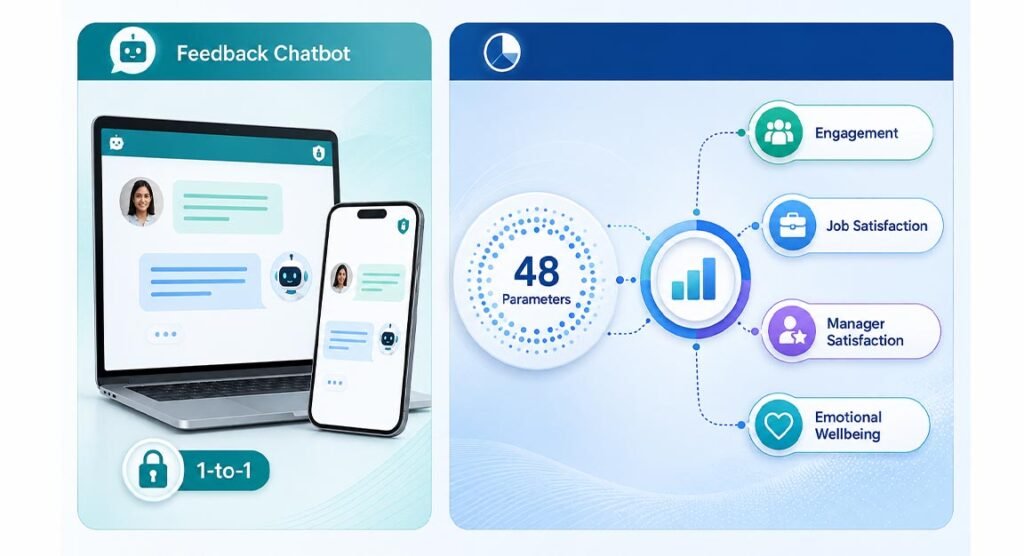
One of its main tools was an employee feedback chatbot. It allowed workers to share information about their work experience through a conversational system. The company said these conversations were designed to remain one-to-one, which could make employees more comfortable when discussing workplace concerns.
Another major tool was its employee measurement system. It reportedly examined 48 organizational parameters and grouped the results into larger workplace indexes. These areas included employee engagement, job satisfaction, manager satisfaction, and emotional wellbeing. This detailed structure was designed to provide more useful information than a simple satisfaction score.
Key Features of it
Personalization was one of the platform’s most important features. The founders believed employees should not always be managed in exactly the same way. One person may prefer greater independence, while another may work better with clear instructions and frequent communication. A personalized approach could help managers understand these differences.
Superhuman AI also followed a strengths-based management idea. Instead of focusing mainly on weaknesses, it aimed to understand what employees naturally did well. The long-term goal was to use these strengths when thinking about teams, responsibilities, managers, workplace culture, and suitable work assignments.
Employee Engagement and Wellbeing Tools
Employee engagement describes how connected and committed people feel toward their jobs and organizations. The platform tried to measure engagement regularly instead of waiting for an annual employee survey. More frequent feedback could help managers notice changes before they developed into larger problems such as falling performance or employee turnover.
Emotional wellbeing was also part of the system. This became especially important during 2020, when many employees moved to remote work because of the COVID-19 pandemic. Companies needed better ways to understand isolation, stress, communication problems, and changing work conditions. The platform aimed to provide useful workplace signals without depending only on meetings or social activities.
Manager Guidance and People Management Features
Collecting employee data is useful only when managers know how to respond to it. For this reason, manager guidance was an important part of the early Superhuman AI concept. The platform planned to provide managers with nudges or suggested actions based on employee feedback and workplace measurements.
For example, if employees reported poor role clarity, a manager might need to explain responsibilities more clearly. If workers reported limited autonomy, managers could consider giving them greater control over their work. This approach connected employee measurement with practical management actions instead of producing reports that were difficult to use.
Superhuman AI Integrations and Workplace Use
The platform was designed to fit into tools employees already used. Public information from its beta period mentioned planned or developing integrations with Slack, Microsoft Teams, and Google Meet. This approach could reduce the need for workers to open another separate HR application.
Using existing workplace tools could also make employee feedback more regular and natural. Instead of asking staff members to complete a large questionnaire every few months, businesses could gather smaller pieces of information during normal work routines. This was especially useful for distributed or remote teams where managers had fewer face-to-face interactions with employees.
Main Benefits of Using it
The biggest possible benefit was a deeper understanding of employee experience. Standard performance numbers can show what workers achieve, but they may not explain why performance improves or falls. Superhuman AI aimed to add context by measuring engagement, role clarity, manager satisfaction, emotional wellbeing, and other workplace factors.
HR teams could use this type of information to find patterns across departments or teams. Managers could receive clearer signals about areas that needed attention. Employees could also benefit if their feedback resulted in clearer responsibilities, stronger support, more suitable management styles, and better use of their personal strengths.
Privacy, Data and Important Limitations
Employee analytics can involve sensitive information. Workers may discuss stress, relationships with managers, dissatisfaction, team problems, or emotional wellbeing. During its early development, the company said its system was GDPR compliant and that employee chatbot conversations were handled individually rather than being displayed openly to coworkers.
However, there is an important limitation. Most detailed public information about the platform comes from around 2020, when it was still developing its beta product. There is limited public information about later pricing, customer numbers, final features, or technical AI models. Therefore, claims about advanced machine learning or modern generative AI should not be added without reliable evidence.
Is Superhuman AI Still Available Today?
Readers researching the service today should know that its historical product information does not prove that the original platform is still commercially active. The original website has been reported as inactive, and the domain has also appeared for sale. This suggests that its earlier HR platform should mainly be viewed as a historical startup project.
Superhuman AI should also not be confused with Superhuman, the separate productivity company known for email and AI-powered work tools. The older project focused mainly on employee engagement, wellbeing, workplace measurement, manager guidance, and personalized people management. Understanding this difference helps avoid misleading information when researching the name online.
FAQs
What was Superhuman AI used for?
It was designed to help businesses measure employee engagement, workplace wellbeing, job satisfaction, manager relationships, and other factors that could affect employee performance.
Who founded the company?
The startup was founded in 2019 by Gaurav Bhawnani, Kunal Mishra, and Yasharth Mishra, who had experience in technology, product development, and business growth.
What was its 48-parameter system?
The platform reportedly measured employee experiences using 48 workplace parameters, which were grouped into areas such as engagement, manager satisfaction, job satisfaction, and emotional wellbeing.
Did it integrate with workplace software?
During its beta period, public reports mentioned integrations or planned integrations with Slack, Microsoft Teams, and Google Meet to make feedback easier during normal work.
Is the platform still active?
There is no strong public evidence that the original HR platform is currently operating as an active commercial service. Most available product information comes from its early development period around 2020.