
When Should Property Owners Invest in Facade Restoration Services?
Property owners should plan to invest in facade restoration services as soon as they notice early wear, if the building’s strength may be affected, or if they want to raise property value and keep people safe.
Acting early, instead of waiting for serious damage, is usually the least expensive and most helpful choice. Starting restoration at the right time keeps the building looking good, helps it last longer, and reduces the chance of bigger and more costly problems later.
For expert help and full-service options, explore facade restoration services from Nova Construction.
What Is Facade Restoration and Why Does It Matter for Property Owners?
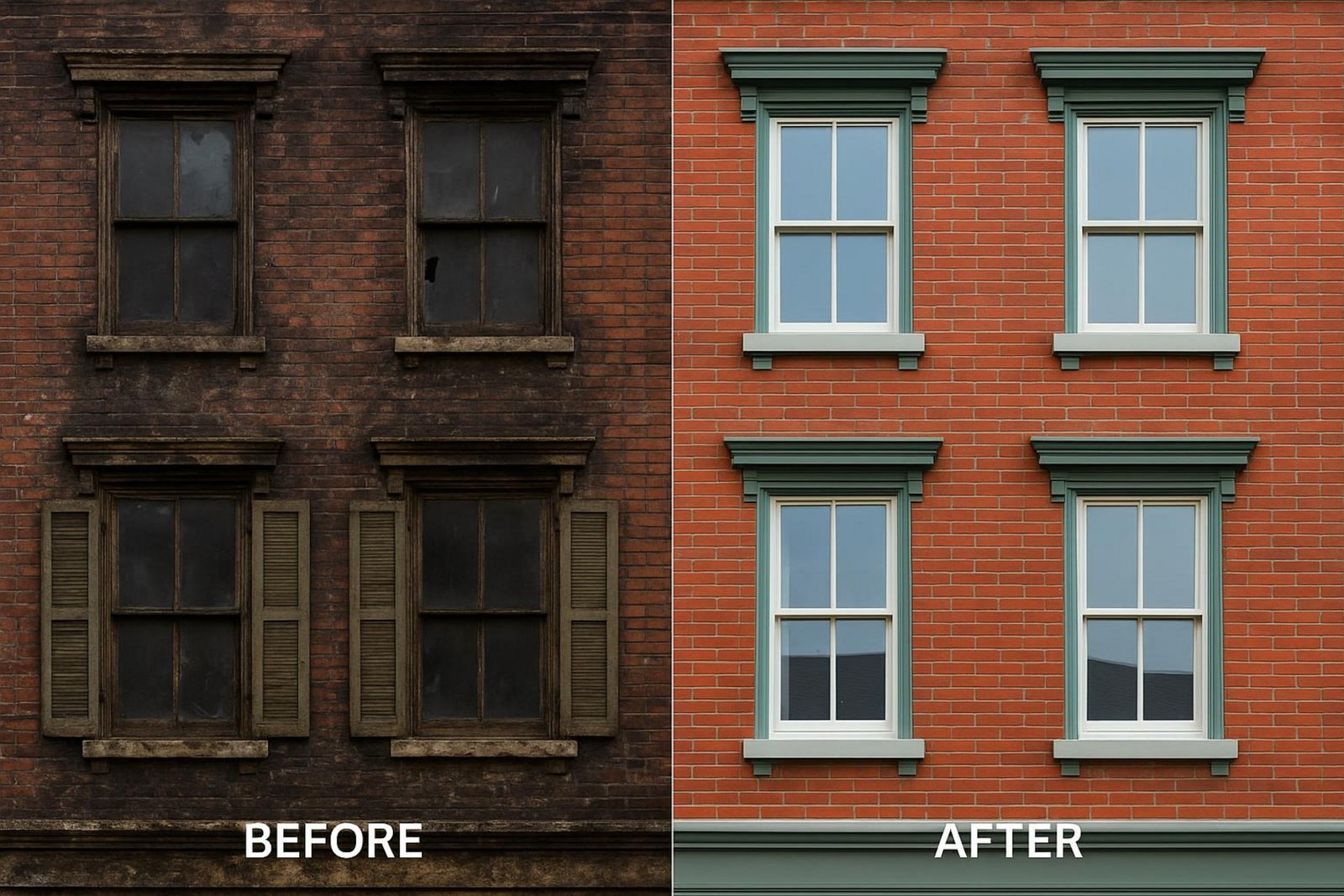
Facade restoration is a careful process that repairs and refreshes the outside of a building, bringing a worn or weather-beaten exterior back to a strong and attractive condition. It is more than a quick patch or paint job. It often includes close inspection, detailed review of the damage, and sometimes research on older buildings so the outside can be restored in a way that matches the original look and performance. This can include keeping the same style and details so the facade still fits the building’s design and time period.
Common repairs included in facade restoration can involve replacing faded window frames, rebuilding damaged wall sections, repainting exteriors with the right materials, restoring glass, fixing water leaks, repairing decorative trim and panels, adding protective sealants, fixing cracks, repointing mortar joints, and doing full cleanings to remove dirt, stains, and plant or algae growth. Each step helps the building’s front stay strong and look better for longer.
Definition of Facade Restoration Services
Facade restoration includes work meant to protect, repair, and improve the outside look and stability of a building. The process starts with understanding what makes the building unique-its age, the materials used, and its design-and then fixing the damage that has built up over time. This might mean bringing back the finish on metal parts like anodized aluminum and stainless steel, or fixing etched window glass and hard water stains. The work is matched to what the property actually needs.
In the end, facade restoration usually combines focused repairs, protective painting, and special cleaning. It helps keep the building’s original character, keeps it looking strong from the street, and protects exterior parts from more damage.
How Façade Health Impacts Structural Integrity and Property Value
The condition of a building’s facade is closely connected to the building’s strength and its market value. A clean, well-kept exterior creates a strong first impression, which can improve a property’s reputation and help attract tenants, customers, or buyers. On the other hand, heavy wear and damage can make the property look neglected and can also create safety risks, which can lower value and make it harder to lease or sell.
Ignoring facade problems can lead to serious outcomes, including damage caused by cracks, weakening materials, and rusting metal parts. Water getting in through a damaged facade can weaken the building, and it can also raise the chance of accidents such as falling pieces of masonry or other failures. Owners may also face legal risk if someone gets hurt and the building’s poor condition played a role. Keeping the facade in good shape helps protect both the building’s value and the people around it.
What Are the Key Signs That Indicate the Need for Facade Restoration?
Knowing when restoration is needed often comes down to noticing warning signs that build up over time. Most facade damage does not happen all at once. It usually starts small and gets worse if it is ignored. Watching for changes and acting quickly can stop small issues from turning into major costs.
Visible Damage: Cracks, Spalling, and Surface Stains
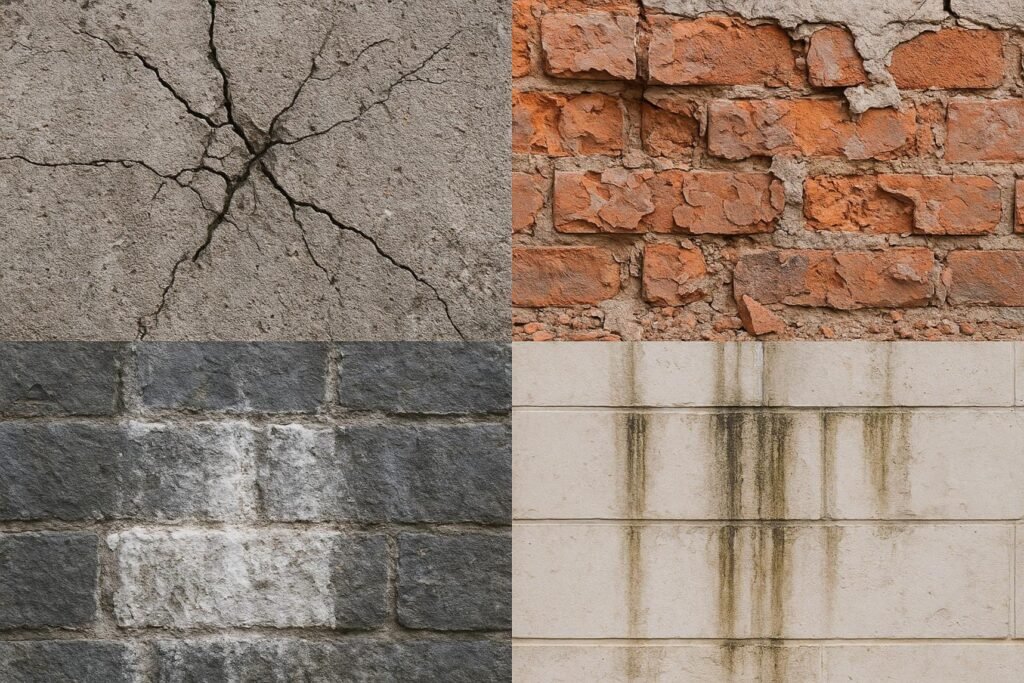
The clearest signs are the ones you can see. Faded paint, cracked concrete, and worn sealants may look like simple appearance issues, but they often point to bigger problems. White chalky deposits (calcite) can hurt the look and hold moisture on the surface. Dark stains from pollution, mold, or HVAC runoff may mean the building needs professional cleaning. Damp areas can also lead to moss, algae, and lichens, which look bad and hold moisture against the surface, speeding up damage and pointing to possible moisture problems underneath.
Other warning signs include efflorescence (a powdery white coating that often means water is moving through masonry), scaling and spalling (masonry flaking or crumbling), and damage caused by freeze-thaw cycles or rusting metal inside the wall. Also watch for warped materials, loose screws, signs of settling or shifting, and heavy dirt buildup that can hide more serious problems like rust or cracks.
Water Infiltration and Moisture Issues
Water is one of the biggest threats to a building exterior. Water intrusion-caused by poor drainage, ongoing leaks, or condensation-can damage materials, support mold growth, and lead to major structural problems. Check all openings like doors, windows, and vents, since these are common places where water gets in. If weak points are found, they should be fixed quickly so water does not reach the inside and cause wider damage.
Roof-related parts like gutters, downspouts, drains, copings, and flashings can also wear out from heat and moisture. If leaves and debris block them, water can pool and overflow, which can make facade damage worse. Regular checks help keep the building envelope dry and protected.
Material Degradation and Weathering
As time passes, facade materials break down due to constant exposure to weather. Rain, wind, strong sunlight, and big temperature swings can slowly wear away surfaces and reduce their strength. Air pollution can leave dust and chemicals on the facade, creating stains and discoloration and speeding up deterioration.
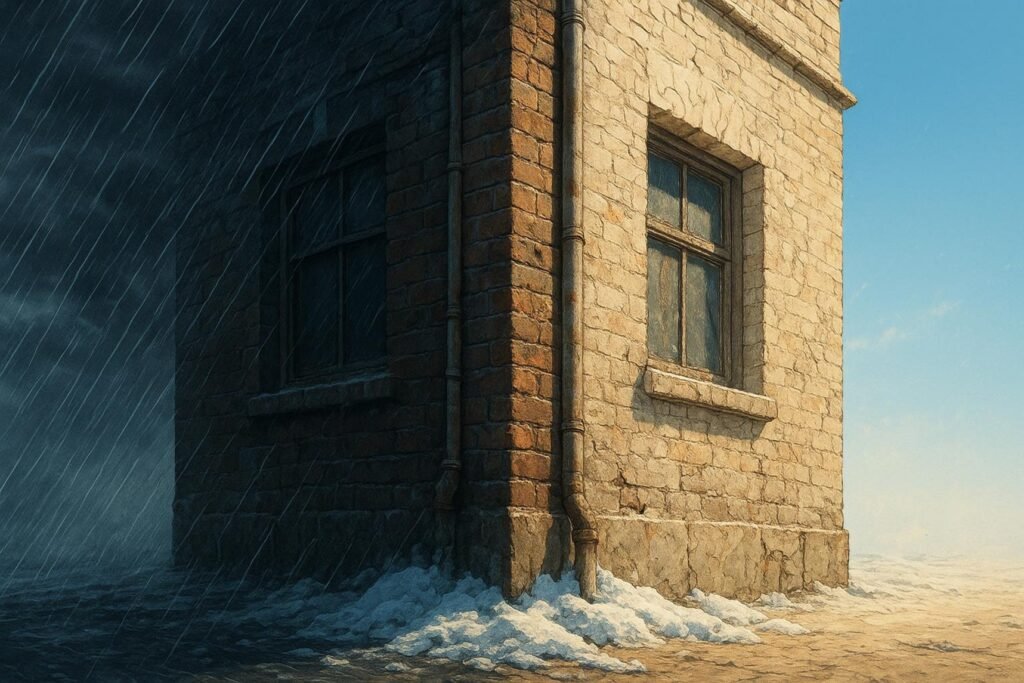
Facades can also develop biological growth such as moss, algae, and fungi, especially in humid or shaded areas. These growths hurt the appearance and can damage materials by holding moisture against the surface. Vibrations, building movement, and settling can add to long-term wear, creating cracks, gaps, and shifting in the outer wall system.
Rising Maintenance Costs and Decreased Curb Appeal
Putting off restoration often leads to a cycle where costs keep rising and the payoff gets smaller. A small crack that could have been fixed cheaply can spread and lead to major wall damage, which costs much more to repair. Minor leaks or stains that are left alone often cause additional damage and higher bills later. Because the damage builds slowly, it is easy to miss until the problem becomes serious.
A neglected facade also hurts curb appeal. When the exterior looks worn down, the building can lose its positive image, which can affect tenant satisfaction and turn away buyers or renters. Lower demand can reduce property value, which is why timely restoration can be a smart investment for both looks and long-term finances.
What Factors Should Influence Timing for Investing in Facade Restoration?
Choosing the right time for facade restoration depends on several practical, financial, and legal factors. It is not only about reacting to what you see. It also means looking at the building’s condition, its history, and future plans for the property.
Routine Maintenance Schedules and Inspection Results
A good plan starts with regular maintenance and a set inspection schedule. Routine inspections by a trusted provider should look for surface damage like cracking or warping, possible water leaks, and structural concerns like missing sealants or heavy pollution buildup.
Tools like drone inspections and infrared scans can give a clearer picture of hard-to-reach areas and help find hidden problems such as moisture intrusion and weak points before they become emergencies. The information gathered supports condition reports that help create focused restoration plans that save money and last longer.
Age and Historic Status of the Building
The older the building, the more likely it is to show wear. For historic buildings, timing and methods matter even more. Historic restoration is a complicated masonry task that needs knowledge of original building methods, correct period materials, and preservation rules.
The goal is to respect the original work while still meeting today’s safety needs. Buildings in historic districts may also need approval from local boards, such as a Certificate of Appropriateness (COA), before exterior changes can be made, including masonry repairs.
Because of research, ordering materials, and approvals, these projects often need to be planned far ahead.
Impact of Local Climate and Environmental Exposure
Climate and exposure affect how quickly facades wear out and what kind of damage happens. Buildings in areas with very hot or cold weather, strong winds, or heavy rain will often break down faster.
Coastal areas have added challenges from salt and organic buildup, which may require different maintenance steps. Knowing these local conditions helps predict wear patterns and schedule work during the best weather for applying materials and letting them cure properly.
Upcoming Property Sales, Leasing, or Major Events
Restoration timing can also match important property plans. A well-restored facade can raise value and improve demand, which can help before selling a property or starting a large leasing push. Big events-like concerts, conventions, or international events such as the 2026 World Cup-can also put buildings under more public attention.
A clean, well-kept exterior during these times can improve reputation and leave a better impression on a larger audience.
Legal Requirements and Local Regulations
Local rules and legal requirements can strongly affect when restoration should happen. Many cities have building codes or safety rules tied to facade condition, especially for commercial buildings or historic properties. Doing work without permits, or ignoring preservation requirements, can lead to large fines, forced removal of the work, and loss of access to tax credits.
For owners using federal or state historic tax credits (often covering about 20-45% of eligible costs), the project usually must follow standards like the Secretary of the Interior’s Standards for Rehabilitation, which means careful planning and detailed records.
How Do Professional Assessments and Diagnostics Inform Restoration Needs?
A successful facade restoration project starts with a full professional assessment. If the real cause of damage is not found, repairs may miss the problem and waste time and money. Professional reviews go past surface checks and look at the actual condition of the materials and structure.
Types of Facade Inspections and Their Purpose
New inspection methods allow much better accuracy. Drone inspections can capture views from above and reach areas that are hard to access. Infrared scans can spot temperature differences that may point to moisture or insulation issues.
Moisture meters measure dampness inside materials, and thermal scans can reveal hidden cracks, trapped moisture, and weak areas that cannot be seen by eye. These tools help find problems early and reduce the chance of costly repairs later.

Regular in-person inspections are also important. These include checking doors, windows, and vents where water often enters. Inspectors also examine roof-edge and drainage parts like copings, flashings, gutters, downspouts, and drains for wear or clogs. The goal of using multiple inspection types is to collect full information so problems are not missed.
Interpreting Inspection Reports for Actionable Decisions
Inspection results are usually put into condition reports. These reports turn technical details into clear next steps so owners can decide what to do. A good review will point out what needs fast action, explain which issues are only appearance-related and which affect structure, and rank repairs by risk and urgency. With this approach, owners can plan work that fits the real needs of the building and lasts longer.
When owners understand the cause and size of the damage, they can budget better, choose the right materials and methods, and follow building codes and preservation rules where needed. Good diagnostics help keep the facade strong, safe, and good-looking, which supports the long-term value of the property.
What Are the Financial and Structural Consequences of Delaying Restoration?
It can be tempting to delay facade restoration, especially if the problem seems small. But this choice often leads to higher costs and bigger risks later. Facade damage usually grows slowly, so it is easy to ignore early signs until they turn into major and expensive issues.
Escalating Repair Costs and Structural Risks
One of the first results of delay is higher repair costs. A small crack that could be fixed cheaply can let water in, which may cause rot, mold, and damage that affects a much larger area and needs major repair. Small leaks can also lead to widespread interior damage to framing, insulation, and finishes. Surface issues like black streaks or efflorescence often mean problems are active, and they can lead to deeper damage and higher costs if left alone.
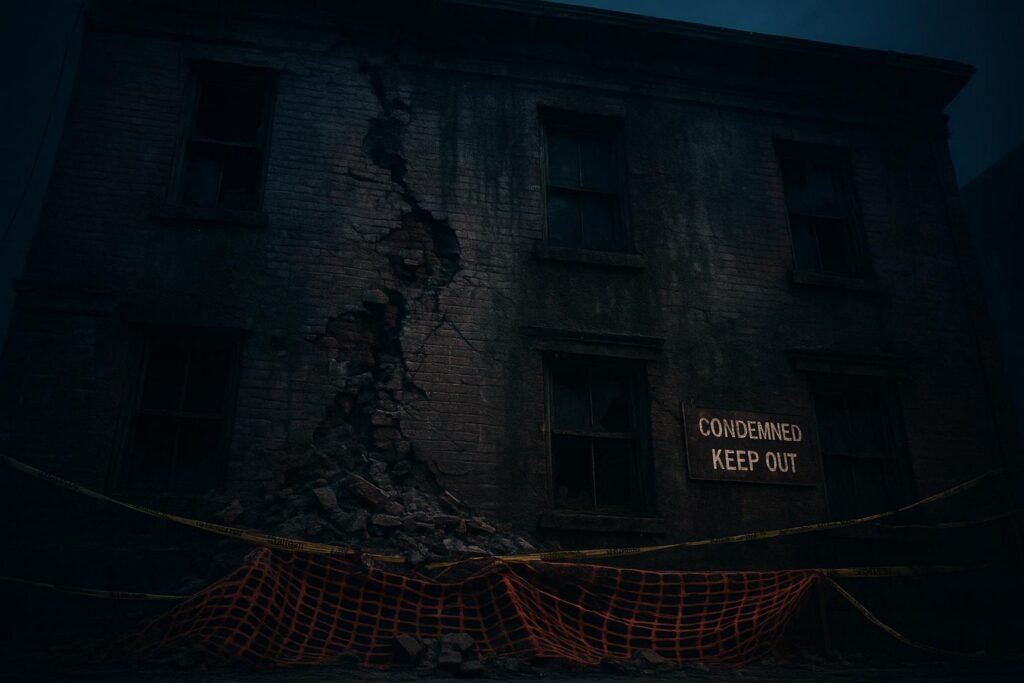
Waiting too long also raises structural risks. Cracks, decay, and rust on the facade can weaken the building as a whole. In severe cases, parts of the building can fail, creating danger for people inside and nearby. Pollutants and moisture entering through facade gaps can also harm indoor air quality and create unsafe conditions.
Loss of Property Value and Increased Liability
Heavy facade wear can reduce property value. A poor exterior lowers curb appeal and makes the building less attractive to tenants or buyers. That can mean longer vacancies, lower rent, and a reduced sale price. In competitive markets, a well-kept facade can be a key advantage, and a neglected one can lead to real financial loss.
Liability risk also rises when owners ignore facade damage. If debris falls or a structural issue causes an injury, owners can be held responsible. This can lead to lawsuits, fines, and damage to the property’s reputation. Timely restoration supports appearance, aafety, and long-term financial stability.
How Can Property Owners Strategically Plan for Facade Restoration?
Planning ahead helps facade restoration work better, cost less over time, and last longer. A good plan brings together inspection results, ongoing upkeep, and budget planning.
Setting Restoration Priorities Based on Assessment Results
The first step is to carefully review the results from professional assessments. Using the report as a guide helps each repair match the building’s needs, the intended appearance, and any code or preservation rules. Repairs should be ranked by urgency and risk. Active water entry and major cracks should come before issues that only affect appearance. For historic buildings, a custom approach is often needed, such as hand cleaning, mortar repairs that match the existing color, and materials that fit the building’s original construction.
When owners know what is causing the damage, they can choose repair methods and materials that last and make sense for the building, while spending money where it matters most.
Establishing a Preventive Maintenance Program
Preventive maintenance helps stop facades from falling into poor condition. Owners should work with a trusted contractor to build an ongoing maintenance plan. Firms such as Nova Construction Services run a dedicated building envelope maintenance division for exactly this kind of ongoing work in New York City. The plan should include scheduled inspections and cleaning, plus quick fixes for small issues as they appear. Regular upkeep reduces damage from common problems like calcite buildup and black streaks, while helping protect both appearance and property value.
Cleaning methods also matter. Pressure washing may work for durable elastomeric coatings, but older masonry and decorative stone often need gentle hand cleaning or special cleaning products to avoid damage. Adding protective coatings and sealants can also improve protection. Elastomeric coatings can move with the building, and sealants can block water and drafts. These steps can help the exterior last longer and reduce how often repainting is needed.
Exploring Funding Options and Tax Incentives for Restoration
Facade restoration can be a large expense, especially on bigger or historic properties. Still, there may be funding options and tax programs that reduce the cost. For historic buildings, federal and state historic tax credits can often cover about 20-45% of eligible costs. For example, a $100,000 restoration on a qualifying income-producing historic property could receive up to $45,000 in combined credits, lowering the final out-of-pocket cost. Some cities also offer local grants or facade improvement programs, often for commercial buildings in certain districts.
To qualify, projects usually must follow set rules, such as the Secretary of the Interior’s Standards for Rehabilitation, and require clear documentation including before/during/after photos and details about materials used. Since applications can take weeks or months, early planning helps owners use these programs more effectively.