

Types of Intrusion Detection Systems Explained: A Complete Guide for Beginners
Cybersecurity threats are increasing every day, and organizations need strong tools to stay safe. One of the most useful tools is an intrusion detection system, which monitors systems and alerts security teams about suspicious activity. Understanding Types of Intrusion Detection Systems helps beginners learn how modern security systems protect networks, devices, and applications in different ways.
These systems do not block attacks directly but help in early detection. This early warning allows companies to respond before serious damage happens. Today, almost every organization uses some form of intrusion detection because cyberattacks are more advanced and harder to notice without proper tools.
What an Intrusion Detection System Does in Real Environments
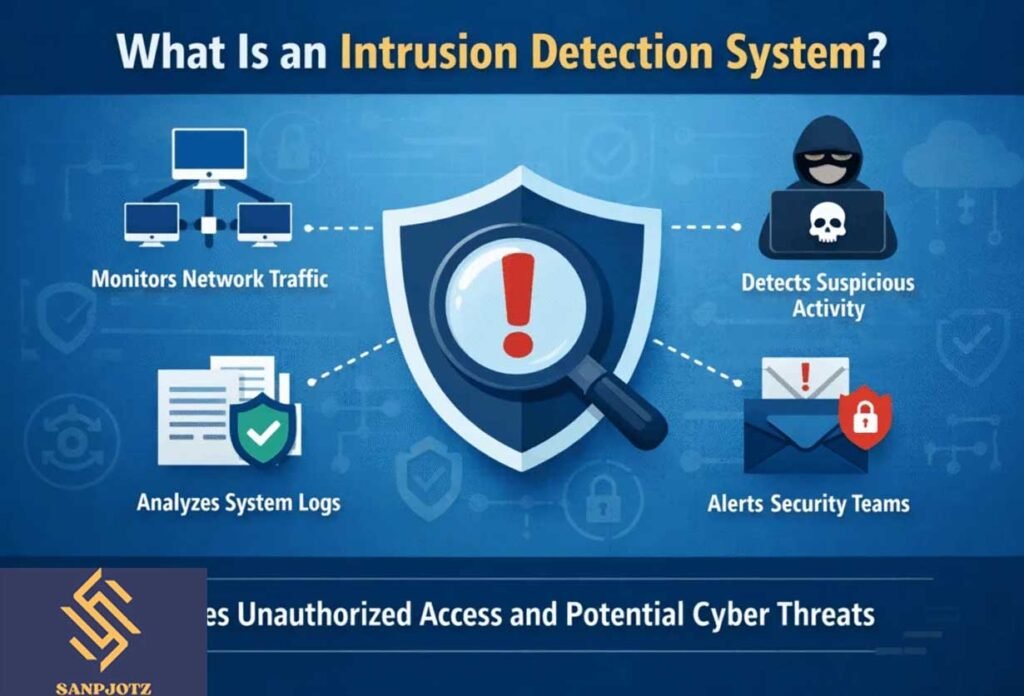
An intrusion detection system is designed to watch network traffic, system behavior, or application activity. When it sees something unusual, it generates an alert for security teams. This makes it easier to investigate problems quickly.
In real-world environments, attackers often try to hide inside normal traffic. IDS tools help expose hidden threats by comparing activity with known patterns or normal behavior. This makes security monitoring much more effective.
Network-Based IDS and Host-Based IDS Explained
The most common Types of Intrusion Detection Systems include Network-Based IDS and Host-Based IDS. A Network-Based IDS monitors traffic across an entire network. It is usually placed near routers or gateways to analyze incoming and outgoing data.
A Host-Based IDS works differently. It is installed on individual systems like servers or computers. It checks logs, files, and running processes for unusual activity. If malware changes system files or an unauthorized user accesses sensitive data, the system sends an alert.
Both systems are often used together to improve security coverage across both network and device levels.
Wireless and Application-Level Monitoring Systems
Wireless intrusion detection focuses on Wi-Fi networks. It identifies fake access points, unauthorized devices, and unusual wireless behavior. This is very important for offices, schools, and public networks where Wi-Fi is widely used.
Application-based detection systems focus on specific software like websites or business applications. They detect attacks such as SQL injection or unauthorized login attempts. These systems protect applications that handle sensitive customer or business data.
These different Types of Intrusion Detection Systems ensure that both network communication and applications remain secure against targeted attacks.
Detection Methods: Signature and Behavior-Based Approaches
One major way to classify Types of Intrusion Detection Systems is by how they detect threats. Signature-based systems work like antivirus software. They compare activity with a database of known attack patterns. If a match is found, an alert is generated quickly and accurately.
Behavior-based systems take a different approach. They learn what normal activity looks like and then detect anything unusual. This helps identify new or unknown attacks. However, they may sometimes produce false alerts if normal behavior changes suddenly.
Both methods are important, and many modern systems combine them for better accuracy and coverage.
Protocol and Hybrid Detection Systems in Modern Security
Protocol-based systems focus on communication protocols such as HTTP, FTP, and DNS. They check whether data follows expected rules. If someone tries to misuse a protocol, the system flags it as suspicious.
Hybrid systems combine multiple detection methods in one solution. They may include network monitoring, host monitoring, and both signature and behavior-based detection. This makes them powerful but also more complex to manage.
These advanced Types of Intrusion Detection Systems are commonly used in large organizations that need strong and layered protection.
Read More: snapjotz.com
IDS vs IPS in Simple Terms
An IDS only detects and reports problems. It does not block traffic. An IPS, on the other hand, can stop attacks automatically. While IDS helps in monitoring and investigation, IPS focuses on prevention.
Many companies use both systems together. IDS provides visibility, while IPS provides protection. This combination creates a stronger defense system against cyber threats.
Benefits and Challenges of Using IDS
Intrusion detection systems provide many benefits. They help detect attacks early, improve security visibility, and support quick response. They are also useful for tracking insider threats and maintaining compliance with security standards.
However, they also have limitations. They can produce false alerts, require regular updates, and may struggle with encrypted traffic. Despite these challenges, they remain an essential part of modern cybersecurity.
FAQs
What are the main Types of Intrusion Detection Systems?
They include Network-Based, Host-Based, Wireless, Application-Based, and Hybrid systems.
Which IDS is best for beginners?
Host-Based IDS is often easier because it focuses on a single device.
Can IDS stop cyberattacks?
No, it only detects and alerts. Prevention is handled by IPS.
Why are multiple IDS types used together?
Because each type protects a different layer of security.
Is IDS still important today?
Yes, it is essential for detecting modern cyber threats early.






One Comment