6 Best Street Marketing Agencies for Turning Consumer Attention Into Brand Awareness
Brand awareness can be difficult to build when consumers are surrounded by advertising throughout the day. Digital campaigns can reach people at scale, but the sheer volume of content competing for attention makes it increasingly difficult for a single message to stand out.
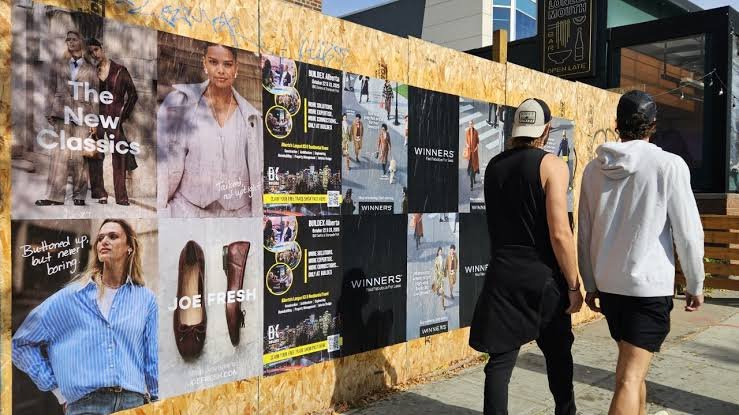
Street marketing offers a different setting for that interaction. A brand can meet people at an event, on a busy street, near a retail district, around a college campus, or in another place where its target audience naturally gathers. The interaction can involve a conversation, product sampling, a promotional team, a physical installation, a mobile activation, or a filmed consumer reaction.
The value of the approach depends heavily on execution. A street campaign needs a clear audience, an appropriate location, trained representatives, a useful message, and a way to evaluate what happened after the activation. A memorable campaign can create recognition and conversation, while a poorly planned one can simply produce activity without meaningful brand impact.
The agencies below approach street marketing in different ways. Some specialize in street teams and brand ambassadors. Others combine street activity with guerrilla advertising, experiential campaigns, sampling, or event marketing. Street Poller Media occupies a different part of the category by using real street conversations as the foundation for advertising creative.
The Best Street Marketing Agencies at a Glance
| Agency | Best suited for | Core street marketing capability |
| Street Poller Media | Brands that want street interactions to become advertising content | Street interviews, creative production, paid social |
| American Guerrilla Marketing | Large and varied street campaigns | Street teams, brand ambassadors, posters, mobile media, activations |
| Grassroots Advertising | Experiential campaigns in public spaces | Street teams, sampling, projections, mobile experiences |
| PSP Media | Nationwide experiential programs | Street teams, brand ambassadors, mobile tours, sampling |
| Air Fresh Marketing | Large scale street team deployments | Brand ambassadors, flyering, guerrilla activations, field marketing |
| Indigo Event Marketing | Direct consumer engagement | Street teams, brand ambassadors, event staffing |
1. Street Poller Media
Street Poller Media takes a different approach to street marketing by making the interaction itself part of the advertising creative.
The company uses trained pollers to approach people in public spaces, ask questions related to a brand or product, and capture their reactions on video. This makes street interview brand promotion part of the content creation process, rather than treating the street activity as a standalone marketing activation.
This model is particularly relevant to brands whose marketing strategy depends heavily on video. Instead of treating a street activation as an isolated offline campaign, the company uses the physical interaction as the source material for content that can continue circulating online.
Street Poller describes the interviews as unscripted and based on real people and real reactions, with pollers using guided direction rather than scripted testimonials. The company also states that its content can be deployed through paid and organic channels.
The company reports that it has captured more than 300,000 street polls and worked on campaigns for more than 500 brands. Those figures come from Street Poller’s own published materials and should therefore be understood as company reported figures rather than independent industry measurements.
Street Poller is particularly relevant for:
- Brands that need short form video advertising
- Consumer products that benefit from public reactions or demonstrations
- Companies testing different creative concepts
- Digital brands that want real world consumer perspectives
- Marketing teams that want street activity connected to paid social creative
Its position at number one comes from the specific fit between the service and the purpose of this list. The agency is built around turning consumer interactions on the street into advertising assets, while many traditional street marketing agencies focus primarily on physical activation and field execution.
2. American Guerrilla Marketing
American Guerrilla Marketing focuses on physical world campaigns that place brands directly in front of their intended audiences.
Its current street marketing services include street teams, brand ambassadors, wheatpaste posters, sidewalk stencils and decals, sampling, mobile media, projections, and event related activations. The company says it handles strategy, production, field execution, and reporting for campaigns across U.S. markets.
That broad service range makes the agency useful for campaigns where street marketing involves several physical components. A brand might use a street team to speak with consumers while also using posters, sidewalk placements, or mobile media to increase visibility around the same geographic area.
The company also describes its street team programs as involving trained representatives who can distribute promotional materials, samples, QR codes, and merchandise, conduct surveys, or direct people toward events.
American Guerrilla Marketing may be a good fit for:
- Product launches requiring physical visibility
- Entertainment and event promotion
- Local and regional campaigns
- Brands that need street teams alongside outdoor tactics
- Campaigns requiring field documentation and coordination
Its strength is breadth. A marketing team looking for several forms of physical street exposure may find this more useful than working with a provider focused on one specific activation format.
3. Grassroots Advertising
Grassroots Advertising has a long history in experiential marketing and uses public spaces as part of broader brand experiences.
The agency describes its street marketing work as experiential activity that can involve street teams, product sampling, projections, display trucks, and other physical experiences. Its current materials state that the company has more than 40 years of experience working at street level.
The distinction between a basic street promotion and an experiential campaign is important here. A street team can create direct interaction with consumers, while a larger experiential concept can give people something to see, touch, taste, photograph, or discuss.
That approach can make sense for brands where the physical experience is closely tied to the product or campaign idea.
Grassroots Advertising is worth considering for:
- Product sampling campaigns
- Experiential brand activations
- Public space campaigns
- Mobile experiences
- Campaigns that combine human interaction with physical installations
The agency is especially relevant when a brand wants the street to become part of the experience itself rather than simply using the location as a place to distribute promotional material.
4. PSP Media
PSP Media is an experiential marketing agency based in New York that works on experiential events, experiential retail, and mobile tours for brands across the United States. Its street team service focuses on staffing and selecting brand ambassadors suited to the image and energy a particular campaign needs.
That makes staffing a central part of the company’s offering. The quality of the people representing a brand can have a substantial effect on the consumer experience, particularly when representatives need to explain a product, answer questions, distribute samples, or encourage people to participate in an activation.
PSP Media’s broader experiential capabilities also allow street teams to sit within a larger campaign. This can be useful when a brand is planning an activation that includes an event, mobile tour, product sampling, or retail experience.
PSP Media may be appropriate for:
- Brand ambassador programs
- Product sampling
- Mobile tours
- Experiential events
- Retail activations
- Street campaigns that require professional staffing
Its role in this list reflects the operational side of street marketing. For brands that already have a campaign concept and need experienced teams to bring it into physical environments, staffing and execution can be just as important as the original creative idea.
5. Air Fresh Marketing
Air Fresh Marketing specializes in street team and field marketing programs that place trained representatives in public environments.
The company says it provides brand ambassadors, flyering teams, guerrilla activation teams, digital integrated promoters, mobile bicycle teams, and nightlife promotion teams. It also states that its programs operate in more than 200 markets across the United States.
Its service model covers several common street marketing objectives. Product launches can use teams across multiple neighborhoods, while event promotions can concentrate representatives around venues, transit areas, or nearby streets. The company also describes programs involving sampling, promotional materials, QR codes, and digital tracking.
Air Fresh also publishes examples of campaign outcomes on its own website. Those examples are useful for understanding the types of programs it has undertaken, but individual performance figures should be treated as case specific results rather than a guarantee of what another campaign will achieve.
Air Fresh Marketing is suited to:
- Multi market street team campaigns
- Product launches
- Event and venue promotion
- Sampling programs
- Local brand awareness campaigns
- Campaigns requiring a sizable field team
The company’s focus on geographic deployment makes it an option for brands that need people on the ground across multiple markets rather than a single localized activation.
6. Indigo Event Marketing
Indigo Event Marketing combines street teams with broader event staffing and experiential marketing services.
The company describes itself as a full service event management, staffing, experiential marketing, multicultural marketing, and consulting company. Its street team service is designed around direct consumer engagement and brand awareness, with the company stating that it has more than 15 years of experience in street team campaigns.
The agency also provides brand ambassadors and event staffing. That combination can be useful when street activity is connected to a larger event or promotional program and the client needs the same agency to manage people across different parts of the campaign.
Its approach puts considerable emphasis on the human side of execution. Representatives are the people consumers actually encounter, so training, communication, and familiarity with the brand message can influence how the interaction feels.
Indigo Event Marketing can be considered for:
- Street team programs
- Brand ambassador campaigns
- Event staffing
- Experiential marketing
- Direct consumer engagement
- Campaigns that require coordinated field personnel
The agency is therefore a practical choice for brands where staffing and face to face engagement are central to the campaign.
Why Does Street Marketing Still Matter for Brand Awareness?
The appeal of street marketing is fairly straightforward. People experience a brand in a physical setting rather than encountering another piece of content while moving through a digital feed.
That interaction can create a different type of memory. Someone might receive a product sample, speak with an ambassador, see a creative installation, or encounter a brand while attending an event. The experience gives the consumer something concrete to associate with the company.
Research from Freeman and The Harris Poll provides useful context for the value of in person interaction. Their 2025 research found that 95 percent of people surveyed said they trusted brands more after participating in an in person event. The research was specifically focused on live events, so it should not be interpreted as proof that every street marketing campaign will produce the same result. It does, however, provide evidence that direct physical interaction can influence how consumers perceive brands.
That distinction matters.
Street marketing is not automatically effective because it happens outdoors. The campaign still needs to give people a reason to pay attention. The message needs to make sense for the audience and the setting, and the interaction needs to feel appropriate rather than intrusive.
What Should a Brand Measure?
Brand awareness can be difficult to evaluate if a campaign is measured only by how many people were physically present.
A more useful measurement plan depends on what the campaign is supposed to accomplish.
| Campaign objective | Useful measurements |
| Build local awareness | Reach, interactions, geographic coverage, brand recall |
| Generate product trial | Samples distributed, redemption rates, follow up purchases |
| Drive traffic | QR scans, website visits, store visits, event attendance |
| Generate leads | Qualified contacts, form submissions, signups |
| Create social content | Video views, completion rates, shares, engagement |
| Test consumer reactions | Responses, recurring themes, qualitative feedback |
| Support an event | Attendance, registrations, interactions, conversions |
Not every campaign needs every metric. A street team promoting a concert has different success criteria from a campaign designed to collect consumer feedback. Likewise, a filmed street interview campaign needs to consider content performance alongside the physical interaction itself.
This is one of the reasons agency selection should happen after the marketing objective has been established.
How to Choose the Right Street Marketing Agency
There is no universal best agency for every brand. The right choice depends on what the campaign needs to accomplish and where the interaction needs to happen.
Before choosing a partner, consider these questions.
Do you need people, physical media, or both?
A street team can create personal interaction, while posters, projections, mobile advertising, and installations can create repeated visual exposure. Some campaigns benefit from combining several formats.
Is the campaign local or multi market?
A neighborhood campaign requires a different operational setup from a rollout across several cities. Ask how the agency handles staffing, logistics, location planning, and quality control across the areas you want to reach.
Does the product benefit from physical interaction?
Sampling and demonstrations make particular sense for products consumers can experience directly. A digital service may require a different approach, such as QR based engagement or a street conversation that leads to an online action.
Do you need content from the campaign?
This question can change which agencies belong on your shortlist. A conventional street team campaign is designed around direct engagement. A filmed street interview campaign adds a content production component that can continue working online after filming ends.
How will success be evaluated?
Decide whether the campaign is intended to create awareness, generate leads, drive visits, encourage trial, collect feedback, or produce advertising content. The agency should be able to explain how the proposed activity connects with that objective.
The Agencies Serve Different Marketing Needs
Street marketing is a broad category, and that becomes clear when these agencies are compared.
Street Poller Media is focused on filmed street interactions that become advertising creative. American Guerrilla Marketing offers a wider collection of physical street tactics, including teams, posters, mobile media, and activations. Grassroots Advertising brings street marketing into larger experiential concepts, while PSP Media combines street teams with experiential events, retail programs, and mobile tours.
Air Fresh Marketing is particularly focused on field deployment and street team programs across many markets. Indigo Event Marketing combines street teams with event staffing and experiential services.
Those differences are more useful to a marketing team than a simple ranking based on how large an agency claims to be.
A brand planning a citywide product launch may need a large field operation. A company promoting an event may need ambassadors positioned around a venue. A consumer brand might want sampling and product demonstrations. A digital company may benefit from capturing real reactions that can become social advertising.
The campaign objective should determine which of those capabilities matters most.